
Blogs
Understanding VIN Lookup Basics: A Beginner’s Guide

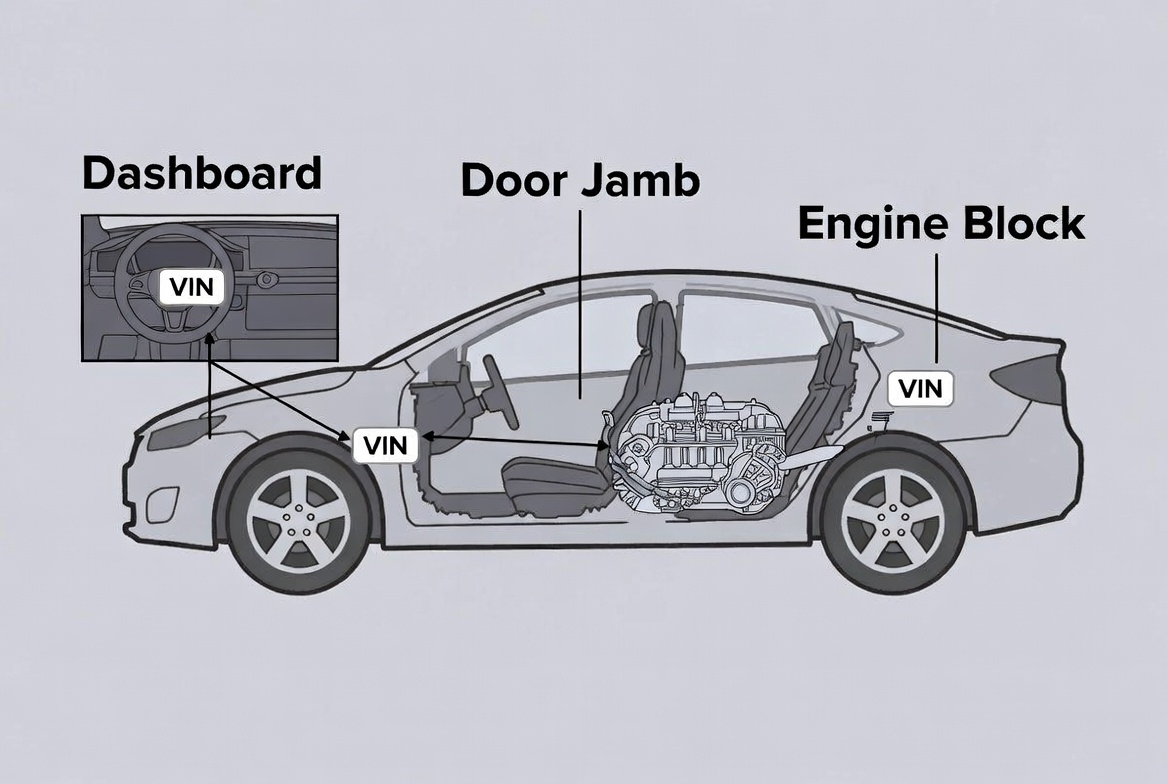
Table of contents
Whether you are buying a used car, selling your vehicle, or just curious about its background, knowing the basics of VIN lookup can save you time, money, and headaches. A Vehicle Identification Number, or VIN, acts like a car’s fingerprint. It holds key details about the vehicle’s make, model, and history. In this guide, we will break down what a VIN is, how to locate it, and why running a VIN check is essential for anyone in the market for a car.
At AutoDetailReport.com, we specialize in providing comprehensive VIN reports to help you uncover hidden issues and make confident choices. Let’s dive into the fundamentals.
What Is a VIN and Why Does It Matter?
A VIN is a unique 17-character code assigned to every vehicle manufactured after 1981. This alphanumeric string includes numbers and letters that reveal specific information about the car, truck, or motorcycle. Think of it as a DNA code for vehicles. It helps identify the manufacturer, model year, production plant, and even engine type.
Why does this matter? For car buyers, a VIN lookup can reveal if the vehicle has been in accidents, has salvage titles, or shows odometer discrepancies. Sellers benefit too by proving the car’s clean history to potential buyers, which can speed up the sale and fetch a better price. Dealerships use VIN checks to ensure inventory transparency and build customer trust.
For example, imagine spotting a great deal on a used SUV online. Before committing, a quick VIN lookup might uncover flood damage from a past storm, helping you avoid a costly mistake.
How to Find Your Vehicle’s VIN
Locating the VIN is straightforward once you know where to look. Most vehicles have the VIN displayed in several places for easy access. Here are the common spots:
- Dashboard: Look through the windshield on the driver’s side. It’s often visible near the lower corner.
- Driver’s Side Door Jamb: Open the door and check the sticker on the frame where the door latches.
- Engine Block: Pop the hood and inspect the front of the engine.
- Paperwork: Your vehicle title, registration, or insurance documents usually list the VIN.
If you are dealing with an older car or motorcycle, the location might vary slightly, but these are the standard areas. Always double-check against official documents to ensure accuracy.
Decoding a VIN: What Each Part Means
A VIN is not just random characters. It follows an international standard set by the International Organization for Standardization (ISO). Here’s a simple breakdown:
- Characters 1-3 (World Manufacturer Identifier): Identifies the country and manufacturer. For instance, “1G1” might point to a Chevrolet made in the United States.
- Characters 4-8 (Vehicle Descriptor Section): Details the model, body style, engine type, and transmission.
- Character 9 (Check Digit): A security code to verify the VIN’s authenticity.
- Character 10 (Model Year): Uses a letter or number to indicate the year, like “M” for 2021.
- Character 11 (Assembly Plant): Shows where the vehicle was built.
- Characters 12-17 (Vehicle Identifier Section): A unique serial number for that specific vehicle.
You can use free online VIN decoders for basic info, but for a full picture, a professional VIN report from a trusted source like AutoDetailReport.com goes deeper into history and potential red flags.
The Benefits of Running a VIN Lookup
Performing a VIN check is a smart step in fraud prevention. It can expose issues like:
- Accident History: Details on crashes, repairs, or airbag deployments.
- Title Problems: Alerts for salvage, rebuilt, or lemon titles.
- Odometer Rollback: Ensures the mileage is accurate to avoid overpaying.
- Recall Information: Open safety recalls that need attention.
- Theft Records: If the vehicle was ever reported stolen.
For dealerships, integrating VIN lookups into your process can enhance customer satisfaction and reduce disputes. Buyers feel secure knowing they have all the facts, leading to smoother transactions.
Take Jane, a first-time car buyer. She ran a VIN report on a sedan and discovered undisclosed frame damage from a prior wreck. This knowledge let her negotiate a lower price or walk away entirely.
How to Perform a VIN Lookup
Getting started is easy. Visit a reliable platform like AutoDetailReport.com, enter the 17-character VIN, and receive an instant report. Our service pulls from multiple databases for accuracy, covering everything from ownership history to service records.
Remember, while some free tools exist, paid reports offer more comprehensive data and peace of mind. Always choose providers with strong privacy policies to protect your information.
Common Mistakes to Avoid with VIN Lookups
Newcomers often overlook these pitfalls:
- Typing Errors: Double-check the VIN entry, as one wrong character can lead to incorrect results.
- Skipping the Check: Rushing a purchase without a lookup increases fraud risk.
- Ignoring Red Flags: If the report shows issues, investigate further rather than dismissing them.
By staying vigilant, you protect yourself from scams and ensure your vehicle investment is sound.
In summary, mastering VIN lookup basics empowers you as a car buyer, seller, or dealer. It promotes transparency and helps prevent fraud in the auto market. Ready to run your first VIN check? Head over to AutoDetailReport.com for detailed, trustworthy reports that put you in control. If you have questions about a specific vehicle, our team is here to assist.
Estimated reading time: 5 minutes